The Northern Kentucky Water District wants homeowners to look up their water service line and report what it's made of.
The district is building a mandatory inventory of service line materials under the U.S. Environmental Protection Agency's revised Lead and Copper Rule. The federal rule, updated in 2021, required water systems nationwide to submit an initial inventory by Oct. 16, 2024, and to keep updating it.
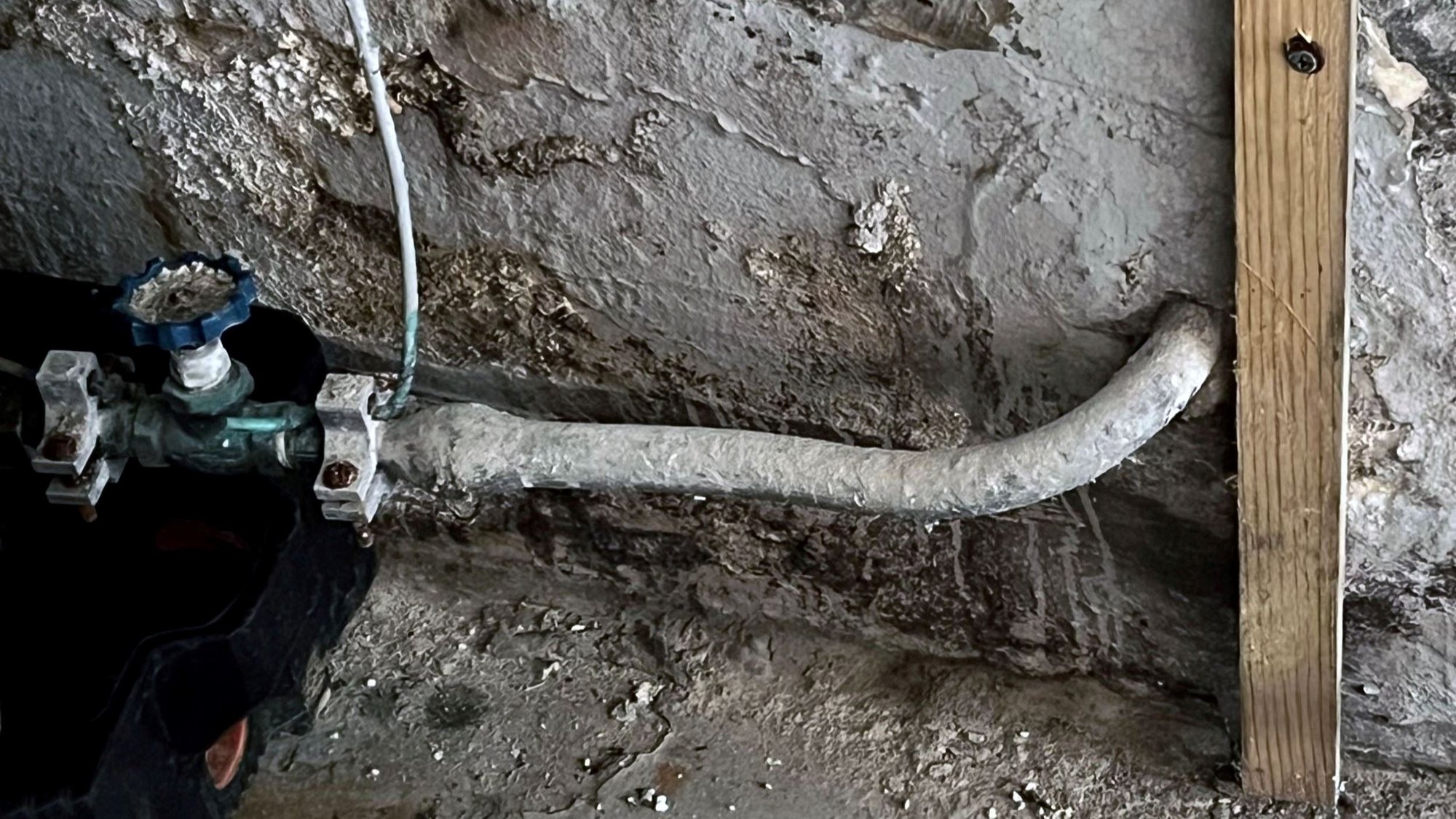
A service line is the pipe connecting a home or building to the public water main. NKWD's portion runs from the main to the meter. Everything past the meter belongs to the property owner.
The effort covers NKWD's entire service area, which includes Fort Mitchell, Crestview Hills, Edgewood, Villa Hills, Crescent Springs, Lakeside Park and Fort Wright.
Thousands of lines still unidentified
NKWD sent more than 23,000 postcards in December 2025 notifying customers whose service lines were classified as lead, galvanized steel or unknown material, WVXU reported. Most of those notifications involved lines of unknown material.
"The main thing for us is really trying to understand where those lead service lines are and how many exist in our system," NKWD communications manager Sarah Sgantas told WVXU in December 2025. "This helps us with project planning."
In September 2025, contractor teams working through the EPA's "Get the Lead Out" program spent a week inspecting unidentified lines in Covington. Of 97 lines they documented, 26 were lead, the second most common material after copper, according to LINK nky. Teams visited 581 locations total but could not document 484 of them because residents were not home or did not grant access.
Lead pipes have been outlawed in the United States since 1986.
Older homes in the region may still have lead service lines connecting them to the water main.
How to check and report
Residents can search their address on NKWD's service line inventory map, which is updated monthly. Each property is classified as lead, non-lead or unknown.
If a property shows "unknown," NKWD asks the homeowner to identify the pipe material using a step-by-step guide on its website and report it. The district says reporting matters even if the line is not lead, because it helps narrow the search.
Residents can report online, by phone at (859) 578-5451 or by email at [email protected].
Lead testing and water safety
NKWD's most recent round of lead testing, completed in 2024, found no sites above the federal action level of 15 parts per billion, according to the district's inventory page. The district adjusts its water's pH and adds a corrosion inhibitor to reduce the chance of lead leaching from pipes.
NKWD President and CEO Lindsey Rechtin said in 2024 that the water leaving the district's treatment plants does not contain lead. The risk comes from possible leaching through older pipes and building plumbing.
One tip from the district: do not boil water to reduce lead. Boiling can concentrate it. Instead, run cold water at full flow for three to five minutes before drinking or cooking if the tap has been unused for more than six hours.
Homeowners who want their water tested can call NKWD at (859) 441-0482. Those who decide to replace a lead service line should notify the district so it can replace its portion and test the tap water afterward.