Kenton County's Fiscal Court shelved a vote on automated license plate readers for the second time after residents packed the Historic Courthouse in Independence on July 14, to oppose the surveillance technology.
Judge/Executive Kris Knochelmann announced before public comments began that no vote would take place on the Kenton County Police Department's request to solicit bids for ALPRs. The item had appeared on the meeting agenda. The court first delayed the vote at its June 30 meeting, when a large turnout over a separate issue pushed the ALPR item off the schedule.
Every speaker who addressed the court opposed the proposal, according to a LINK nky report.
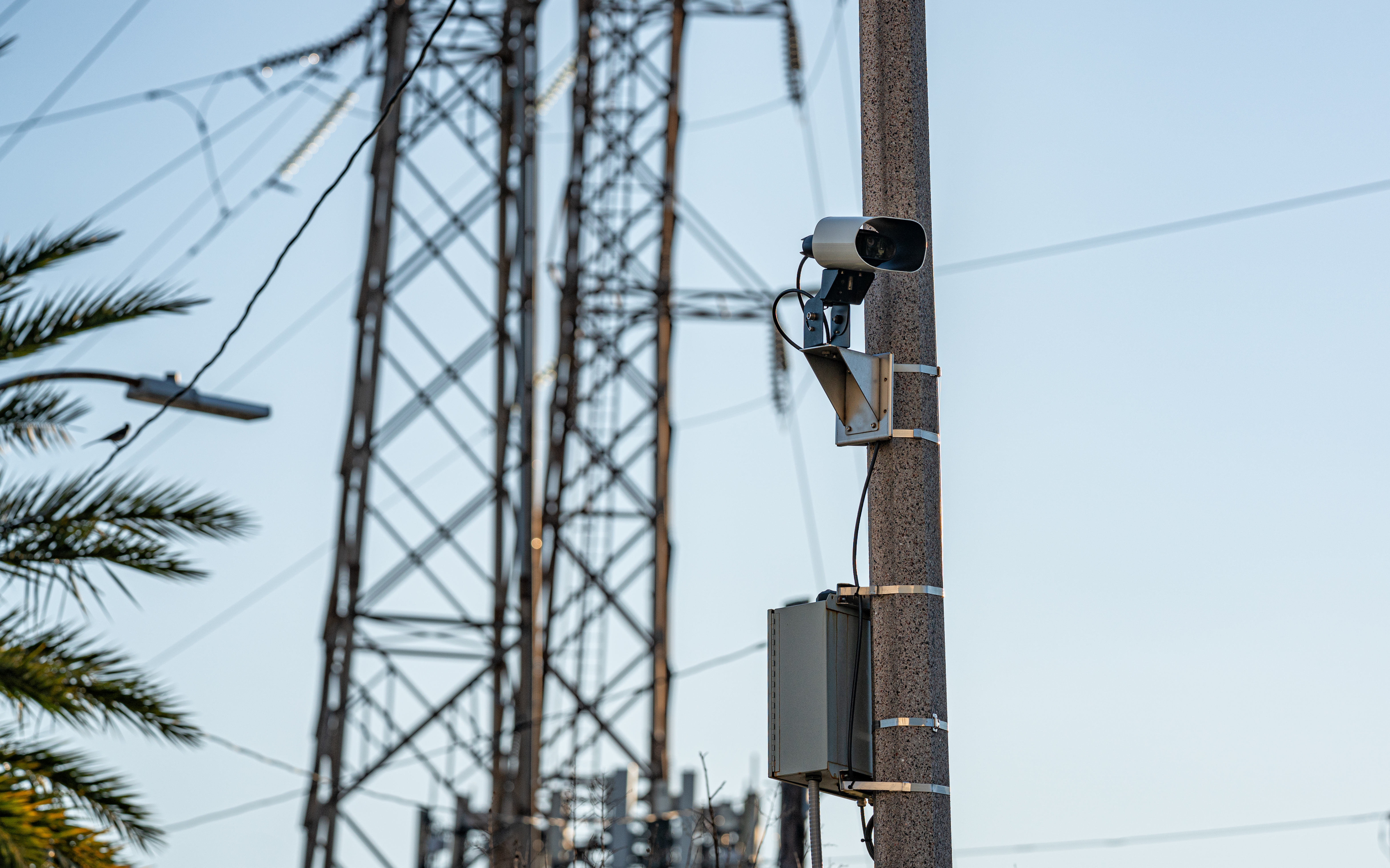
Kenton County Police Chief Michael "Spike" Jones first requested to begin the bidding process in late June. His department, which operates separately from the Kenton County Sheriff's Office, proposed mounting six cameras throughout unincorporated areas of the county. None would be placed on thoroughfares. Jones said one would go in the jail parking lot and five at entrances to county-owned parks.
Jones framed the cameras as a child-safety measure, saying his department saw them as a way to prevent potential predators from entering parks. The devices capture a vehicle's license plate number, make, model and color as it passes.
Residents were unconvinced. Michael Staverman, a frequent attendee at public meetings across all three Northern Kentucky counties, held a protest sign and told commissioners he could "think of no better way to deter families from using our great parks than for them to know every time they bring their children to the park, they're being tracked."
At least two attendees held signs, one with an expletive aimed at Flock Safety, the company that manufactures most ALPRs in the region.
Commissioners themselves appeared split. Jon Draud said he would not support the devices on main roads but seemed more open to park locations. Joe Nienaber acknowledged the tension directly: "I want our kids to be safe at parks, but I also worry about privacy rights." Beth Sewell cited concerns about constitutional rights and litigation risk, saying it might be best "to take this slowly."
A Flock Safety representative, Kerry McCormick, attended the meeting but did not speak. McCormick had appeared at a Newport meeting the prior week. Hours before the Kenton County session, Newport announced it would end its own Flock pilot program.
The debate unfolds against a new state regulatory backdrop. Kentucky House Bill 58, signed by Gov. Andy Beshear in April, established retention limits on ALPR data, restricted what information the cameras can capture, and made their locations subject to open records requests. Northern Kentucky Republican Reps. Kim Banta, Marianne Proctor and TJ Roberts sponsored the bill.
The DeFlock advocacy initiative, which uses crowd-sourced data to map ALPR locations nationwide, estimates more than 100 of the devices already operate in the Northern Kentucky region, most produced by Flock Safety.
The fiscal court will take up the ALPR matter at a future meeting.